
All Posts in Uncategorized

July 20, 2020 - No Comments!

Battling Summer Slump During COVID-19

This is part four of our ongoing series about edTech industry shifts in at-home learning. To check out the whole series, click here.

The effects of "Summer Slump,” learning loss that happens over the summer months, are often shocking. Without the routine and rigor of school and extracurricular activities, students fall behind and often struggle to catch up with their peers in the fall. This disparity is especially evident in underserved students.

Because of  COVID-19, many students have not set foot in a school since March. According to Education Week, students who normally lose between two weeks and two months of growth over the summer may now only retain about 70% of their literacy progress and 50% of their math skills. How can parents combat an unprecedented loss of learning this summer? Tackle it head on. 

Here are three simple ways to introduce structure into your summer and support your child’s educational growth. 

Start your day with a meeting.

The morning is a great time to chat through what your child might want to focus on and what they can expect from you during the day or week. The length of the meeting depends on you and your child, but 10 to 15 minutes is best practice. Here are a few formats to consider:

  • Make it official.
    Ring a bell, do a quick dance, or sing a song to signal the beginning of your day.
  • Establish a routine.
    Discuss the weather, your schedule, or meal times. Whatever your opening routine is, try to make it as consistent as possible. Make sure differences in the schedule are communicated to your child at the start of the day.
  • Address academic work.
    Discuss what book your child plans on reading, what they're excited to accomplish or learn, and which devices they may need to use.
  • Plan a group activity.
    Family walks, art projects, or book clubs will bring you closer together (see below!).

Encourage your child to read and write for pleasure. 

Reading doesn’t need to be a chore. Even 15 minutes of reading a day can support your child’s developing literacy skills.  

  • Sign up for a “Reading Challenge.” Our partners, Scholastic and Learning Ally, host summer reading experiences where children can access digital books, track their reading progress, and can even win prizes! You will also find additional literacy resources like book lists and activities. 
  • Start a Family Book Club. Choose an age-appropriate book as a family and decide on a day and time to discuss the book together. Younger children may do better if they have time before the conversation to consider their favorite characters or whether they liked the book.
  • Set reading goals and track your family’s progress. Set a reading goal, i.e. 3.5 hours a week or 2 grade-level books a week, and track your goals with a simple log or calendar.
  • Keep a journal.
    Journaling can be a fun way for your child to practice their writing skills and reflect on what they’re doing and feeling this summer. Not sure what to write about? Support them with some writing prompts! Ask them leading questions or have them write about their favorite thing they did that day.

Explore educational sites and games.

Screen time isn’t always our enemy. It’s all about setting time limits and finding quality edTech experiences that are age-appropriate and easy to navigate. Make sure you decide on when, what, and how often children are exploring sites and games during your morning meeting.

Feeling guilty about your child spending more time online? Pivot the experience by joining in or asking your child to show you how to play. Here are a few sites we recommend: 

If you need additional ideas about helping your child succeed academically from home, check out my other article on how to weather the storm of at-home learning. With your support and care, "Summer Slump" doesn’t stand a chance.

--

Milagros comes to Backpack Interactive with almost a decade of teaching and administrative experience. She holds an M.S.in Early Childhood Education from Hunter College and was a former columnist for Scholastic Teacher Magazine. A native New Yorker, Milagros enjoys a good Broadway soundtrack and a strong cup of coffee.

 

June 22, 2020 - No Comments!

How Teachers Can Connect with Students & Families During At-Home Learning

This is part three of our ongoing series about edTech industry shifts in at-home learning. To check out the whole series, click here.

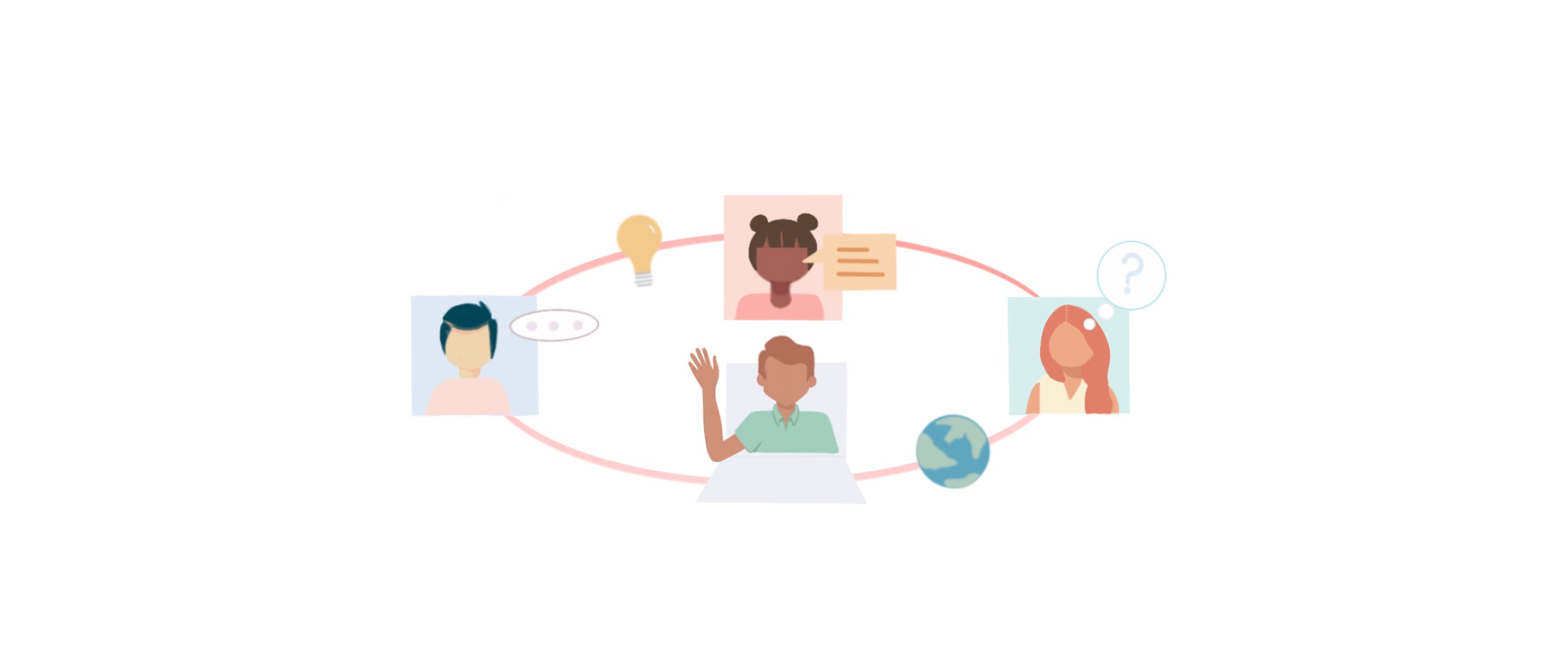
Strong relationships between students and teachers support academic growth and social-emotional development. During at-home learning, however, those connections have been harder than ever to make and maintain.

As the school year comes to a close, you'll gain valuable insight by reflecting on the ways in which teachers have been thrown into the role of tech support for students and families. These insights will also inform the ways you approach remote summer school practices, as well as any at-home learning experiences that may arise in the future. 

Even after the last three months of at-home learning, you're most likely still finding your own way on digital learning platforms and changing your lessons to accommodate digital formats. Our new reality also comes with outsized expectations and added pressure from administrators and parents.

Through it all, you've had even fewer opportunities to forge the meaningful, one-on-one connections with students that make a difference in their learning. This will remain true during abridged summer school schedules, where teachers are under increased pressure to demonstrate growth from students they often do not know. 

edTech will never replace teacher-student relationships, but learning tools and digital platforms can help you make the best of a bad situation. Here are four expert tips for connecting home and school using edTech tools:

1. Survey your families 

Design anonymous surveys to ask parents and families honest questions about their access to technology and their current frustrations with at-home learning. 

Use survey language that assures families you can accommodate for a lack of tech access. Whatever the specific needs of your class may be, it's a good idea to prioritize apps that have strong mobile versions. Time and again, our research has shown that students use their caregiver's mobile devices to complete and submit assignments for school.

Surveying parents about their biggest frustrations can also yield great insights. Maybe parents are struggling to find time to read with their children while they work from home, and they’re feeling guilty. Whatever the stand-out concerns are, you'll be able to pivot your attention there and provide extra support or resources, as needed.

2. Set expectations and keep students accountable

There’s nothing like a morning meeting in a classroom with your students. Those fifteen minutes give you the opportunity to assess every student in the classroom. You can see who didn’t sleep last night, who might be sick, or who’s feeling chatty.

Our new digital reality might make this check-in more challenging, but it's still crucial. The more you can set expectations during a check-in meeting, the easier it will be to keep everyone accountable and engaged.

If students aren't checking in regularly or completing assignments, reach out to parents directly through email, phone calls, or the "parent" persona on an app. You'll want to make sure any communication between yourself and parents stays separate from student communication channels, too.

3. Explore grouping options

Group apps or digital resources by what will work best for self-guided learners, average students, and students who need one-to-one support.

Self-guided, independent learners who enjoy setting their own pace, exploring their own interests, and taking a more active role in their learning will do well during at-home learning. Curate a list of resources these students can explore, along with directions and accountability guidelines. This will make it easier to check their progress and discuss their learning without pivoting away from the needs of your other students.

When it comes to helping students who need a little TLC, consider how you’re directing your energy. One-on-one time might be more helpful for these learners than using digital apps that may or may not be accessible to their individual needs. 

4. Make time to connect

Divide and conquer to create more opportunities for personal engagement — without losing all of your valuable prep and assessment time. Here are a few of our favorite go-tos:

  • Schedule a town hall with parents to discuss your learning plan. 
  • Create regular discussion meetings, like book club meetings, for self-guided learners to interact with one another and you.
  • Set aside periods of one-to-one availability for students who need more support.

Remember, you can't be all things to all people, and that's ok. Create and keep boundaries within your work day to make sure all your students are receiving enough attention. These boundaries will also help you avoid digital burnout.

We’re in a brave new world. Instead of re-designing your entire curriculum and instruction style to fit into the mold of an app or learning platform, meet your students and families where they are. The more you can make the tools at your disposal work for you and your students, the easier at-home learning will be.

—

Monica Sherwood is a UX designer and researcher dedicated to edTech. Prior to entering the UX field, Monica was a special educator in Brooklyn and Manhattan, where she saw firsthand the importance of inclusion and accessibility in design. Monica obtained her undergraduate degree at NYU's School of Individualized Study, and her Masters in Special Education at Hunter College. In her free time, she enjoys traveling, painting, and writing.


June 17, 2020 - No Comments!

At-Home Learning: Resources for Parents, Teachers, and edTech Product Owners

The COVID-19 pandemic brings unprecedented challenges to the field of education. During at-home learning, parents are suddenly tasked with overseeing their child's education. At the same time, many educators are still learning the best ways to engage families and students from home, troubleshooting on the fly.

We've noticed a sea-change in the edTech industry, too. Organizations and nonprofits that plan to keep their buildings shuttered to the public must rise to meet new design challenges. Now that visitors and and target populations are home-bound, organizations must rush to create valuable online resources or experiences to be of service. edTech product owners will also need to address issues of accessibility and equity more nimbly than ever.

Backpack is ready to weather these new challenges with you.

As former educators, design professionals, and parents, we know how difficult and stressful this moment is. Both parents and teachers may be new to working with learning products for extended periods of time. Nonprofit organizations may be designing their very first virtual experiences with at-home learning in mind. Product owners need tactical tips for rolling out accessible design quickly, too.

In order to help, we're launching a new series dedicated to easing the transition to at-home learning — no matter what your role happens to be. (Some of us even have more than one!)

Whether you're a parent trying to balance working from home with instructing your child, a teacher stepping into the unexpected role of tech support, or a product owner planning to revamp your existing learning tools, we've got digestible, easy-to-implement guides for your biggest challenges.

We'll publish new guides every week throughout the summer. Be sure to bookmark this page, follow us on Twitter and LinkedIn, and subscribe to our newsletter for monthly digests, so you don't miss out on a single post.

For Parents
How Parents Can Weather the Storm of At-Home Learning
Educational Resources for Talking to Your Kids About Race and Anti-Racism
Battling Summer Slump During Covid-19

For Teachers
How Teachers Can Connect with Students & Families During At-Home Learning


June 11, 2020 - No Comments!

Educational Resources for Talking to Your Kids About Race and Anti-Racism

This is part two of our ongoing series about edTech industry shifts in at-home learning. To check out the whole series, click here.

Even though we're still social distancing and guiding our kids through at-home learning, we also have an obligation to teach children about the world outside our apartments and homes. Increasingly, this means addressing the protests of police killings of Black people, including the murder of George Floyd by Minnesota police.

Our children likely have questions about the number of protests they see on the news or in their communities. Older teens with their own mobile devices or access to home computers may even seek out answers — and traumatic footage of police killings — on their own.

Before our children go back to school and begin interacting with their classmates, we can teach them the importance of understanding Black history and struggle in age-appropriate ways. Conversations about systemic inequality and injustice are never easy, but the right books, tools, and digital resources can make them easier.

We talked to Tiffany Le, an emerging school counselor, and Alyssa Catolico, an elementary school teacher, about the best online resources for talking to your kids about race. We encourage you to click, read, and buy books or resources from Black-owned bookstores whenever possible. (You can find lists here and here.)

Anti-Racism Resources

For young children
For K-3
For Grades 4+
For educators 
  • Anti-Racism Resources for all ages 
    • Curated by Dr. Nicole A. Cooke, this project includes videos, book recommendations, and tips for starting conversations that spark social change


In addition to sharing age-appropriate resources with your kids, consider tackling other action items and activities, like:

  • Asking your child to choose an organization to donate to and making a donation together.
  • Scheduling Black history story time. Remember that Black history extends far beyond stand-alone lessons about Martin Luther King and Rosa Parks!
    • After selecting the books that you would like your child to read about anti-racism, give them the opportunity to choose which one they would like to read or listen to first.
  • Initiating discussions with your child and asking them if they’ve seen or experienced moments of racism in their schools, friends, loved ones, or within themselves. Encourage them to share any moments when they believed they might have been racist too. Part of the process of becoming an ally is unlearning the unconscious biases we grew up with. Challenge your kids to set goals and expectations to help combat these thoughts. Speaking about racism should not be limited to Black communities.

Thanks for taking the time to use these digital resources to have difficult, necessary, and educational conversations with your children. Racist abuse, police brutality, and violence against Black people can be prevented through better education, understanding, and reflection. Let's do the work together. Change begins at home.

Written by Cassandra Balbas

----

Cassandra Balbas is a UX and graphic designer with a passion for designing tools that help educators and students reach their goals. After graduating from the University of California Irvine with degrees in Informatics and Art, she returned to UCI to manage and mentor the design teams in the Student Government Student Media department. She worked closely with students to produce inclusive visual design, make student resources more accessible, improve mental and physical health, and foster a well-rounded university experience. In addition to working with college students, Cassandra has worked in product design, nonprofit design, and marketing. When she isn't designing, you can find Cassandra roaming bookstores or browsing through photos of pugs.